

Games are creating new digital economies. In a way that, just a few years ago, would have seemed excessive.
Advertisements
What was once just entertainment has come to involve real transactions, digital assets, and even income for thousands of people.
This change didn't happen all at once. It accumulated gradually — skins being sold, virtual currencies gaining value, communities organizing their own markets.
When it became clear, it was no longer just a game.
And then a difficult question arises that is hard to ignore: when a game starts to function as an economy, is it still just a game?
Continue reading the text!
Summary
- What does digital economy mean in the context of gaming?
- How games are creating new digital economies in practice.
- What monetization models are emerging?
- Real-world examples of economies within games.
- Impacts on players and the job market
- Comparison between traditional and digital economies
- Frequently Asked Questions
What does digital economy mean in the context of gaming?
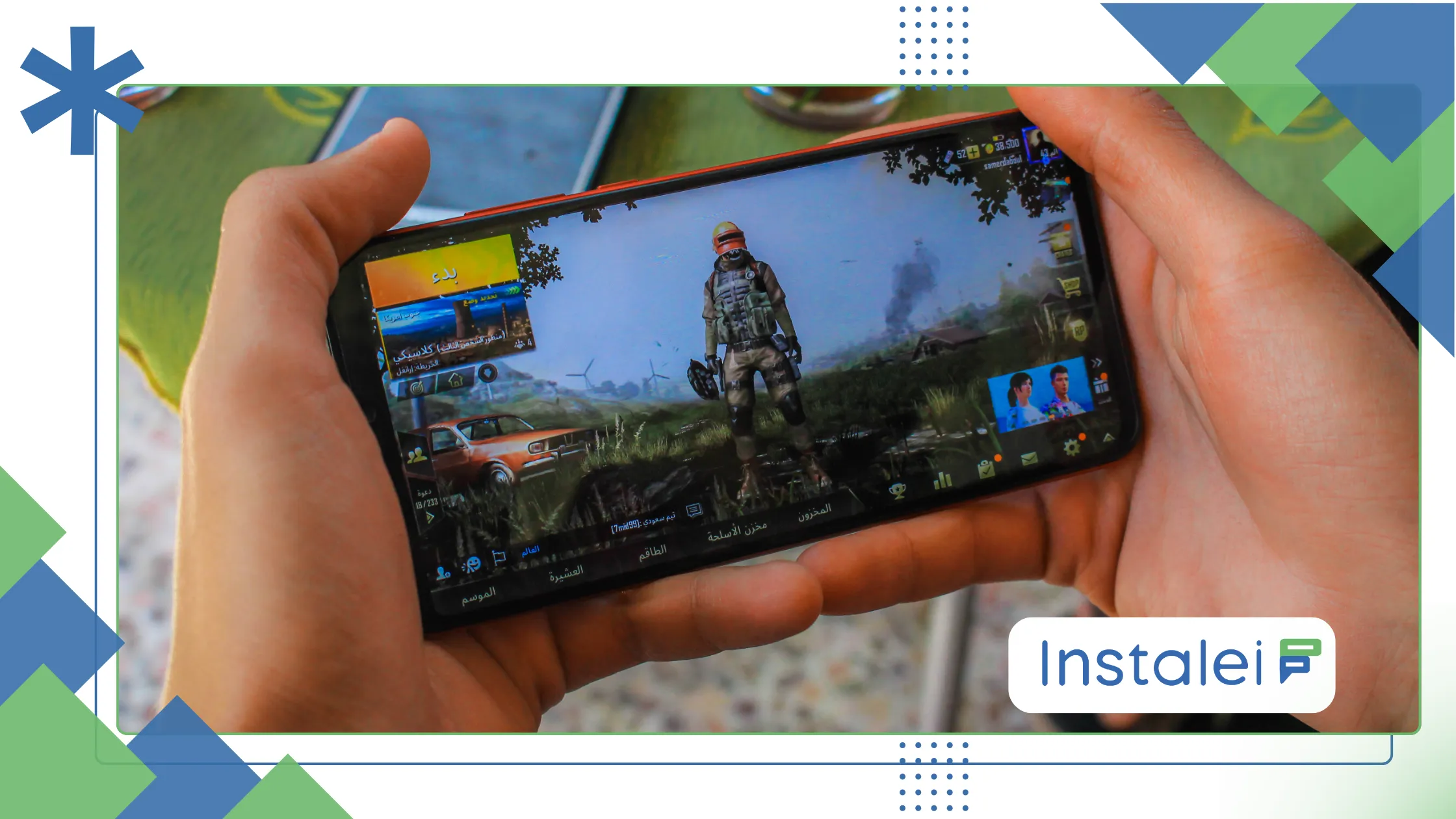
The idea that Games are creating new digital economies. It may seem abstract, but it becomes clear when you observe the behavior of the players themselves.
Virtual items have acquired real value.
A rare skin, an evolved character, a digital terrain.
All of this can be bought, sold, or traded. Not as an exception, but as part of how the game works.
This movement alters the basic logic of entertainment.
Previously, the player consumed. Now, he also produces, trades, and accumulates value.
The environment ceases to be merely recreational and begins to operate with economic dynamics.
And there's something curious about that.
Even knowing that these assets are digital, the perception of value is real.
This says a lot about how value is constructed — not just by what something is, but by what it represents.
See also: Google's Antigravity: What to expect from the agent-first IDE in 2026
How are games creating new digital economies in practice?
In practice, Games are creating new digital economies. by structuring internal systems that simulate — and sometimes surpass — traditional economies.
Domestic currencies, internal markets, supply and demand systems.
All of this already exists within popular games. The difference is that now these systems connect to the outside world.
Players can sell items for real money, participate in trading platforms, and even generate a steady income.
According to data from Statista, the global gaming market surpassed US$180 billion in annual revenue.
A growing portion of this value comes precisely from these internal digital economies.
The most interesting detail is not the financial volume.
The key point is that these economies are created and sustained by communities, not just by businesses.
++ AI Mode vs. Traditional Google: Understanding the revolution in how we search for information.
What monetization models are emerging?
The way Games are creating new digital economies. It varies considerably. There is no single dominant model — and that makes the scenario even more interesting.
One of the best-known models is "play-to-earn".
In this system, players earn rewards that can be converted into real money. But it's not as simple as it seems.
The value depends on the game's own economy, demand, and the stability of the system.
Another relevant model involves internal marketplaces.
Players buy and sell items among themselves, creating a real market dynamic. Some items become rare, others lose value.
It's almost an economic microcosm.
There is also integration with technologies such as blockchain.
This allows digital assets to be unique, traceable, and tradable outside of the game. The idea of digital ownership takes on a whole new dimension.
You Games are creating new digital economies. by mixing entertainment with finance — and this combination is not trivial.
++ How global rankings shape films and series today.
Real-world examples of economies within games.
Some case studies help to better understand how this works.
Example 1: Skin market in competitive games
In games likeCounter-Strike: Global OffensiveWeapon skins can be worth thousands of dollars.
There is no direct competitive advantage. The value lies in rarity, aesthetics, and community perception.
This creates a parallel market.
Players buy, sell, and speculate. Some treat it almost like an investment. Others see it as a collection.
Here, the Games are creating new digital economies. based on symbolic value — something that also exists outside the virtual world, but appears more clearly here.
Example 2: Virtual land and digital assets
Platforms such asDecentralandThey allow you to buy digital land.
Yes, land that doesn't physically exist.
Companies and individuals invest in these spaces to create experiences, events, or simply speculate on future appreciation.
It seems strange — and perhaps it is.
But it follows the same logic as any asset: scarcity, demand, and expectation.
You Games are creating new digital economies. which, in some cases, replicate behaviors of the real estate market.
Impacts on players and the job market
This transformation is not limited to the gaming environment.
When Games are creating new digital economies.They also create new forms of work — albeit informal ones.
Professional gamers, item traders, content creators, mod developers. The ecosystem is expanding.
But there is one point that is often overlooked.
Not every opportunity is sustainable.
Many systems depend on constant growth. When the player base shrinks or interest drops, the internal economy can quickly collapse.
This makes the situation unstable.
And it requires something that is not always present: a genuine economic understanding on the part of the participants.
Comparison between traditional and digital economies
| Aspect | Traditional Economy | Economics in Digital Games |
|---|---|---|
| Value base | Physical resources | Digital assets |
| Regulation | Governments | Developers/Platforms |
| Stability | Relative | High volatility |
| Access | Limited | Global and immediate |
| Transparency | Variable | Often traceable |
| Risk | Moderate | High |
This comparison reveals an interesting contrast.
Digital economies are more accessible — and more fragile at the same time.
Why does this model continue to grow?
The answer lies not only in technology.
It's rooted in human behavior.
People have always placed value on symbolic things. Works of art, collectibles, brands. The digital age only amplifies this.
An analogy helps to understand.
These economies function like cities emerging within games.
Some thrive, others disappear. But all follow their own rules, defined by those who participate.
You Games are creating new digital economies. Because they offer something that's hard to find outside of them: quick experimentation.
New models can be tested without the same barriers as the physical world.
To keep up with this scenario, analyses from McKinsey and content from Bloomberg Technology help to understand how these economies are evolving.
Frequently Asked Questions
| Question | Response |
|---|---|
| Is it possible to make money playing games? | Yes, but it depends on the game model and the stability of the domestic economy. |
| Are these markets safe? | Not always. There are risks of volatility and lack of regulation. |
| Do digital items really have value? | Yes, provided there is demand within the community. |
| Will this model grow further? | The trend is towards growth, but with adjustments and regulations over time. |
| Is it worth investing in digital game assets? | It depends on each person's knowledge and risk tolerance. |
There's something curious about this phenomenon.
Games, which have always been seen as an escape from reality, are beginning to reproduce — and even anticipate — real economic dynamics.
You Games are creating new digital economies.But they're not inventing human behavior.
They are simply demonstrating, in a clearer way, how value, exchange, and interest really work.
++ Technology
